Meet the Military's Unsung Hero: The Orbital Traffic Cop Behind Safe Space Exploration
Meet the Military's Unsung Hero: The Orbital Traffic Cop Behind Safe Space Exploration
In the vast expanse of space, a critical yet unseen force is at work. Behind the scenes, the military's chief orbital traffic cop is hard at work, ensuring the safe and efficient navigation of spacecraft, satellites, and other celestial bodies. We sat down with this unsung hero to get an inside look at the world of orbital traffic management and the critical role it plays in the future of space exploration.

The Growing Concern of Orbital Congestion
The rapid proliferation of satellite launches and space debris has led to a pressing concern: the overcrowding of Earth's orbits. With thousands of active satellites currently in operation, the risk of collisions and near-misses has never been higher. The consequences of such events can be catastrophic, resulting in the loss of critical infrastructure, communication disruptions, and even the creation of more hazardous debris.
"The congestion in our orbits is a ticking time bomb," warns Dr. Sarah Johnson, a leading expert in orbital traffic management. "We're playing a high-stakes game of cosmic Tetris, and the risks of failure are enormous."
The Evolution of Orbital Traffic Management
Historically, the military has played a leading role in tracking and monitoring objects in space. However, with the advent of commercial satellite launches and the proliferation of small satellites (smallsats), the scope and complexity of orbital traffic management have drastically increased. The chief orbital traffic cop emphasized the need for adaptability and innovation in response to these changes, citing the development of new tools and technologies to enhance situational awareness and predictive analytics.
According to a NASA study, the number of smallsats in orbit is expected to increase by 50% in the next five years, further highlighting the need for effective orbital traffic management.
New Challenges and Opportunities in the Era of SmallSats
The rise of smallsats has revolutionized the space industry, offering greater accessibility and affordability for organizations and individuals alike. However, this surge in popularity has also introduced new challenges for orbital traffic management. The chief orbital traffic cop highlighted the difficulties in tracking and predicting the movements of smallsats, which often lack the sophisticated propulsion systems and communication capabilities of larger satellites.
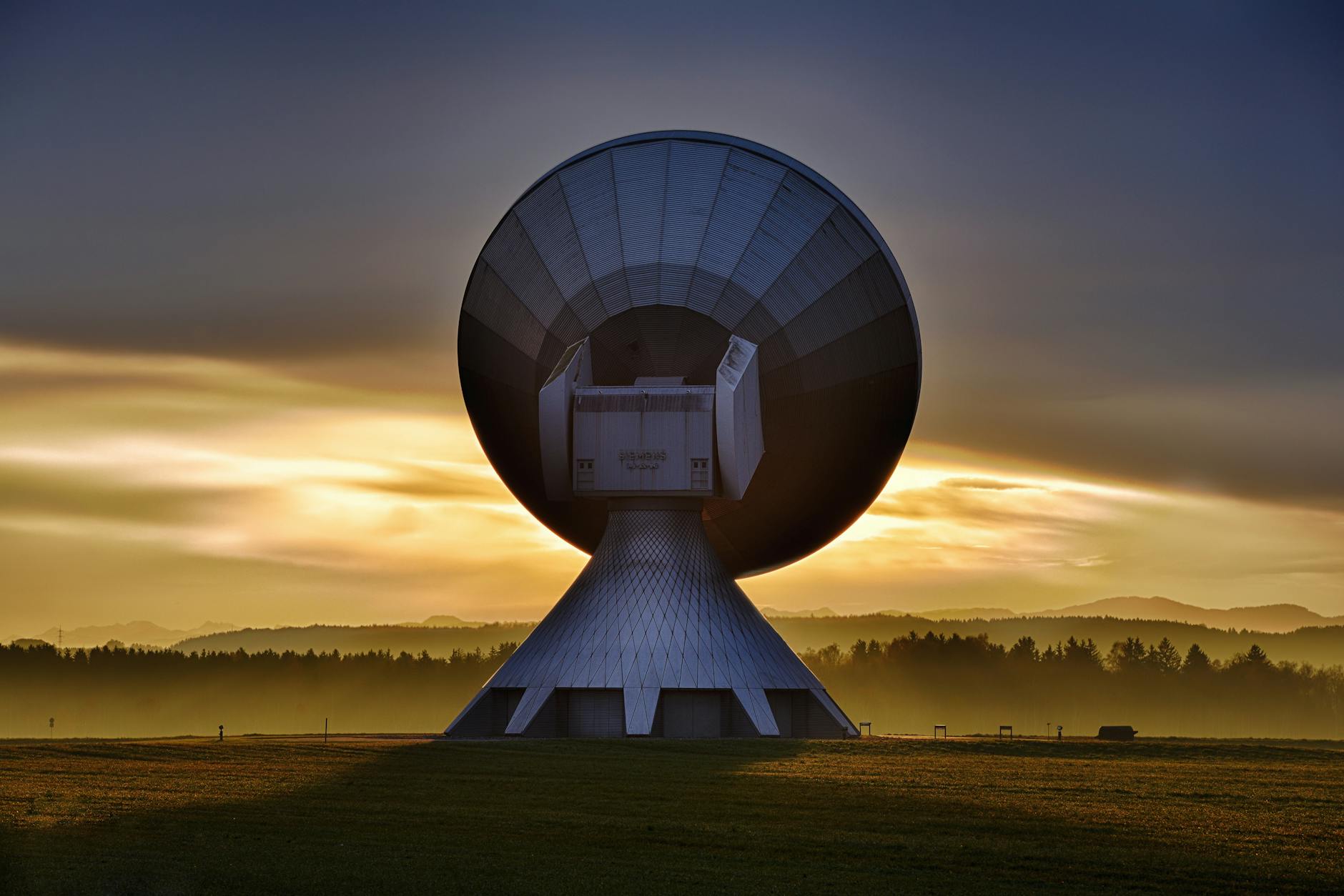
Despite these challenges, the military is exploring opportunities for collaboration with commercial operators to improve the overall safety and efficiency of orbital operations. (Read more: Our Guide to SmallSat Technology)
International Cooperation and the Future of Orbital Governance
The militarization of space has sparked concerns about the potential for conflict and competition in the cosmos. However, the chief orbital traffic cop emphasized the importance of international cooperation in addressing the global challenge of orbital congestion. The development of standardized regulations and best practices for orbital operations will be crucial in ensuring the long-term sustainability of space exploration and development.
"The preservation of the space environment is a shared responsibility that requires cooperation and mutual understanding," said the chief orbital traffic cop. "We're working closely with international partners to promote a culture of cooperation and ensure the safe and responsible use of space."

Key Takeaways
- The military's chief orbital traffic cop plays a critical role in maintaining order in the increasingly congested orbits around our planet.
- The rapid proliferation of satellite launches and space debris has led to a pressing concern of orbital congestion.
- Effective orbital traffic management is crucial for the long-term sustainability of space exploration and development.
- International cooperation and collaboration with commercial operators are key to addressing the global challenge of orbital congestion.
Conclusion
The role of the military's chief orbital traffic cop is a vital one, requiring a deep understanding of the complex interplay between technology, politics, and international relations. As the space industry continues to evolve and expand, the importance of effective orbital traffic management will only continue to grow. By shedding light on the unique challenges and opportunities faced by this critical role, we can better appreciate the intricate dance of cooperation and innovation necessary to ensure the long-term sustainability of our presence in space.

Comments
Post a Comment