Unleash the Power of Peacock Feathers: The Astonishing Science Behind Nature's Laser Beams
Unleash the Power of Peacock Feathers: The Astonishing Science Behind Nature's Laser Beams
When it comes to nature's most dazzling displays, few creatures can rival the peacock's stunning plumage. But beneath the surface of those vibrant feathers lies a secret: peacock feathers can emit laser beams. Yes, you read that right – laser beams. In this post, we'll delve into the fascinating science behind this phenomenon, exploring the unique properties of peacock feathers that make them capable of producing coherent light.
The Chance Observation That Changed Everything
In 2013, a team of researchers from the University of California, Berkeley, led by materials scientist Dr. Connie Chang-Hasnain, stumbled upon something remarkable while studying the structural properties of peacock feathers. Using a specialized microscope, they observed that the feathers were emitting a concentrated beam of light, eerily similar to a laser.
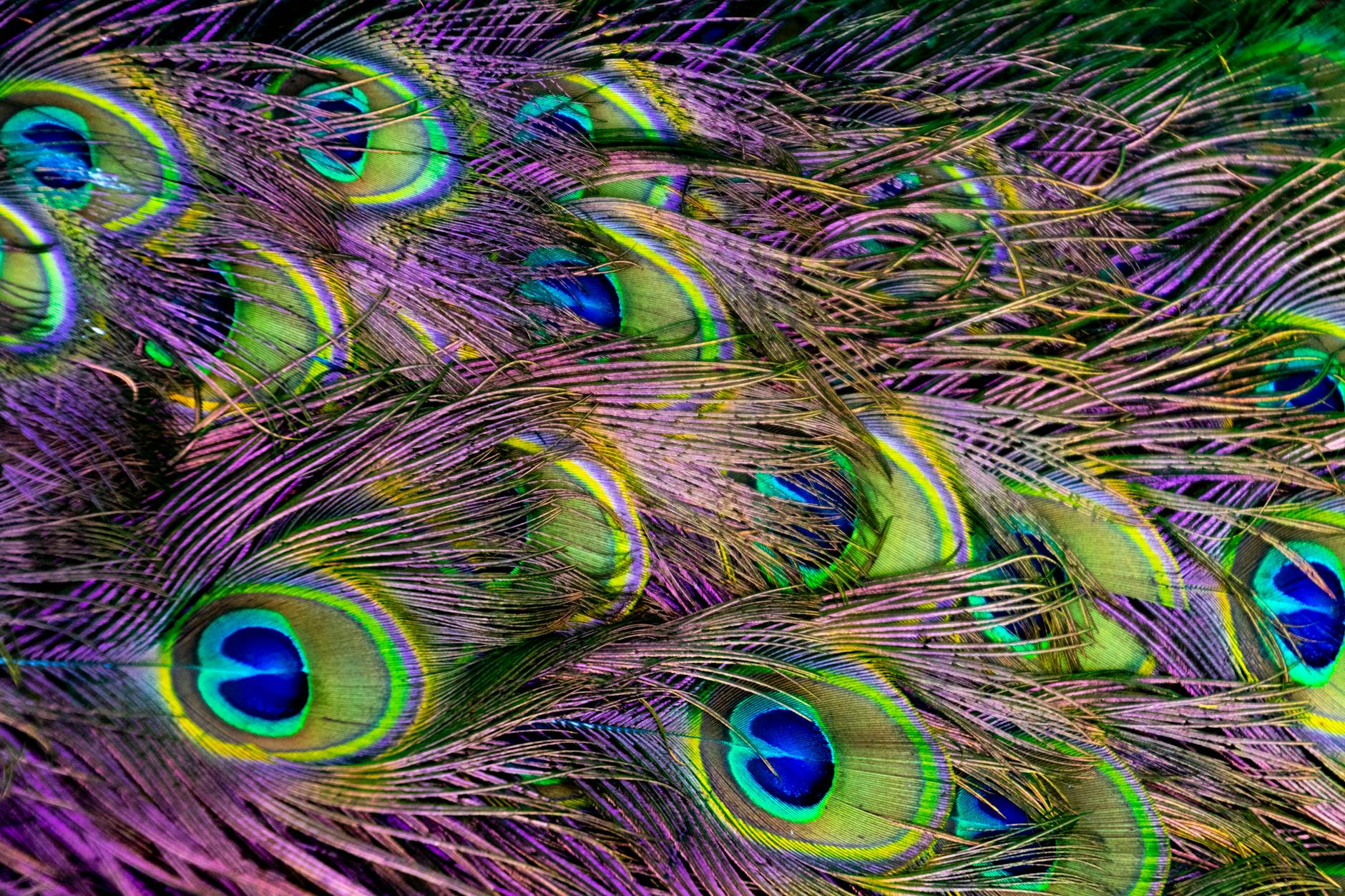
The Iridescent Secret to Peacock Feathers' Laser Beams
So, what makes peacock feathers so special? The answer lies in their intricate structure. Each feather is composed of tiny, hexagonal cells made of melanin, a protein responsible for the feathers' iridescent colors. These cells are arranged in a precise, crystalline pattern, which creates a unique optical effect.
"The photonic crystals in peacock feathers are capable of amplifying and directing light, much like a laser cavity," explains Dr. Maria Hernandez, a materials scientist at MIT. "This is a remarkable example of bio-inspired technology, where nature has already solved a complex problem that we're still trying to crack."
Unraveling the Mysteries of Coherent Light
But what exactly is coherent light, and why is it so significant? Coherent light is a type of light where the waves are aligned, producing a single, intense beam. This is in contrast to incoherent light, where the waves are random and scattered. Coherent light is the hallmark of laser technology, which is why the discovery of peacock feathers' laser-emitting abilities is so remarkable.
According to a study published in the journal Science, the properties of peacock feathers could lead to breakthroughs in fields like optical communication, sensing, and even medical technology.
Exploring the Potential Applications
So, what could we do with peacock-feather-inspired technology? The possibilities are vast and varied.
- Optical Communication: By developing materials that can produce coherent light, we could revolutionize optical communication systems, enabling faster and more secure data transfer. (Read more: Our Guide to Optical Communication)
- Sensing and Detection: Peacock-feather-inspired sensors could be used to detect tiny changes in their environment, with applications in fields like medicine, environmental monitoring, and security.
- Medical Technology: Coherent light could be used to develop more precise and effective medical treatments, such as laser-based cancer therapy and optical imaging.

The Future of Bio-Inspired Technology
The discovery of peacock feathers' laser-emitting abilities is a powerful reminder of the wonders that await us in the natural world. By studying and emulating the unique properties of these feathers, we may unlock new possibilities for technological innovation.
Key Takeaways
- Peacock feathers can emit laser beams due to their unique photonic crystal structure.
- The discovery could lead to breakthroughs in optical communication, sensing, and medical technology.
- Bio-inspired technology has the potential to unlock new possibilities for innovation.
Conclusion
In conclusion, the discovery of peacock feathers' laser-emitting abilities is a testament to the awe-inspiring complexity of the natural world. As we continue to explore the secrets of peacock feathers, we are reminded of the importance of interdisciplinary research and the boundless potential of bio-inspired technology. Who knows what other surprises nature has in store for us?

What do you think about the potential applications of peacock-feather-inspired technology? Share your thoughts in the comments below!

Comments
Post a Comment