Deepfake Vishing Attacks: The Ultimate Guide to Staying Safe in the Digital Age
Deepfake Vishing Attacks: The Ultimate Guide to Staying Safe in the Digital Age
In today's digital landscape, cybersecurity threats are evolving at an alarming rate. One of the most concerning and rapidly growing threats is deepfake vishing, a type of attack that combines deepfake technology with vishing (voice phishing) tactics. In this ultimate guide, we'll delve into the world of deepfake vishing attacks, exploring how they work, why they're hard to detect, and what you can do to protect yourself and your organization from these sophisticated threats.
What are Deepfake Vishing Attacks?
Deepfake vishing attacks involve the use of deepfake technology to create fake audio or video recordings that appear to be from a trusted source, such as a CEO or a friend. These recordings are then used to trick victims into divulging sensitive information or performing certain actions that can compromise security. For example, a deepfake vishing attack might involve a fake audio recording of a CEO asking an employee to transfer money to a fraudulent account.
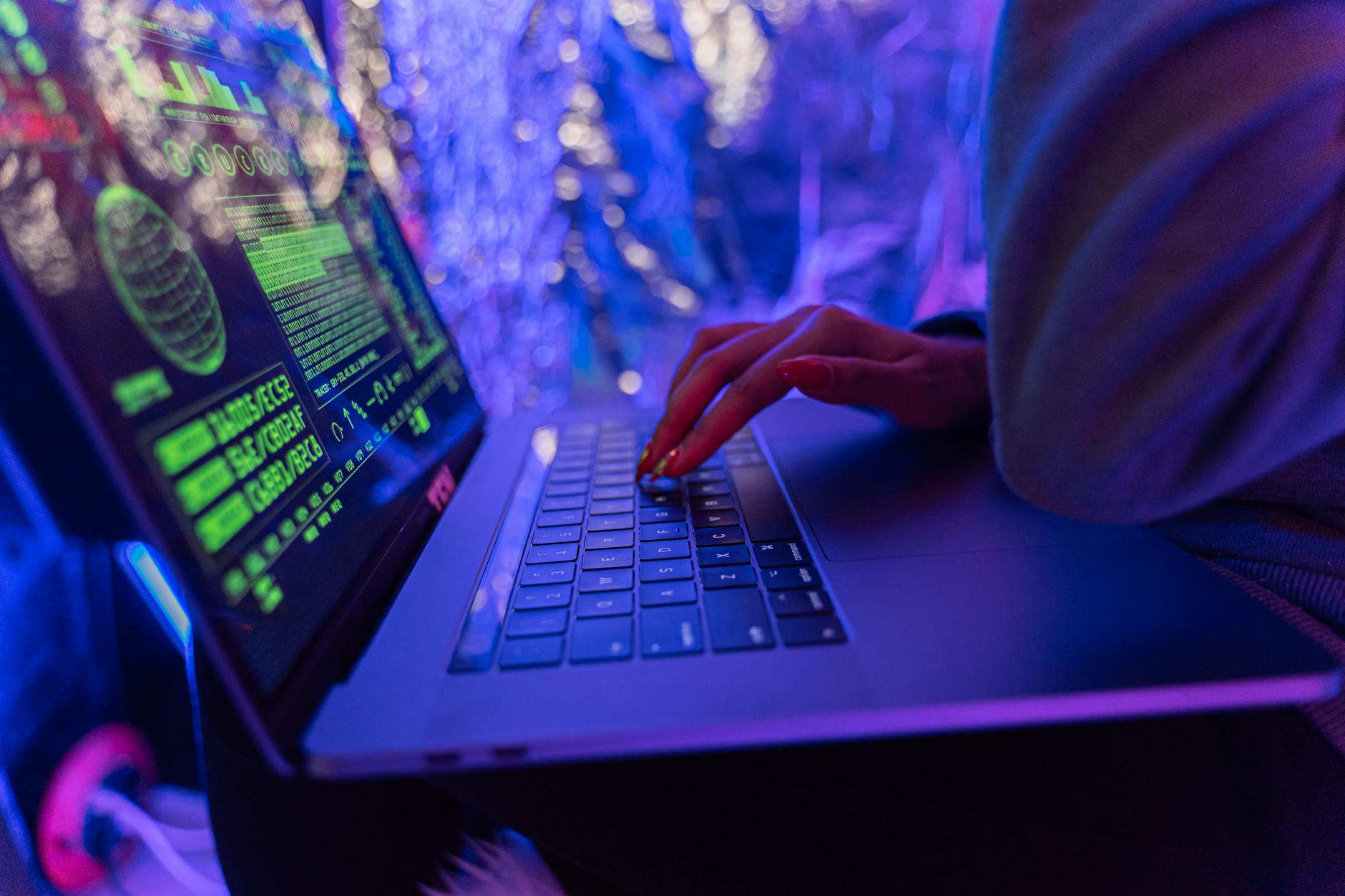
How do Deepfake Vishing Attacks Work?
The process of carrying out a deepfake vishing attack typically involves the following steps:
- Data collection**: Cybercriminals collect audio or video recordings of the target's voice or likeness, often from publicly available sources such as social media or company websites.
- Deepfake creation**: The collected data is then used to create a deepfake audio or video recording that mimics the target's voice or appearance.
- Vishing**: The fake recording is used to make a phone call or send a video message to the victim, posing as the trusted source.
- Social engineering**: The attacker uses psychological manipulation to trick the victim into divulging sensitive information or performing a desired action.
Why are Deepfake Vishing Attacks Hard to Detect?
Deepfake vishing attacks are difficult to detect for several reasons:
- Realism**: Deepfake technology has improved significantly in recent years, making it increasingly difficult to distinguish between real and fake recordings.
- Lack of visual cues**: Unlike in-person interactions, phone calls and video messages lack visual cues that can help detect deception.
- Psychological manipulation**: Attackers use psychological manipulation to build trust with the victim, making it more likely that they will comply with the attacker's requests.
Future Implications of Deepfake Vishing Attacks
As deepfake technology continues to evolve, we can expect to see an increase in the frequency and sophistication of deepfake vishing attacks. According to Dr. Rachel Smith, a cybersecurity expert at the University of California, "Deepfake vishing attacks have the potential to cause significant financial losses and erosion of trust in our digital communication systems. It's essential that individuals and organizations take proactive steps to protect themselves from these threats."
- Increased financial losses**: Deepfake vishing attacks could lead to significant financial losses for individuals and organizations.
- Erosion of trust**: The proliferation of deepfake vishing attacks could erode trust in our digital communication systems, making it more difficult to conduct business and personal transactions online.
- New forms of attack**: Deepfake technology could be used to create new forms of attack, such as deepfake ransomware or deepfake malware.
Actionable Advice to Protect Yourself and Your Organization
To protect yourself and your organization from deepfake vishing attacks, follow these best practices:
- Verify the identity of callers**: Implement a verification process to ensure that callers are who they claim to be. This could involve using two-factor authentication or calling the person back on a known number. (Read more: Our Guide to Two-Factor Authentication)
- Be cautious of urgent requests**: Be wary of requests that create a sense of urgency or panic. Legitimate organizations will never ask you to divulge sensitive information or make financial transactions over the phone.
- Invest in employee education**: Educate employees on the dangers of deepfake vishing attacks and how to identify them.
- Implement advanced security measures**: Consider investing in advanced security measures such as AI-powered fraud detection and biometric authentication. According to a report by Accenture, "AI-powered fraud detection can reduce the risk of deepfake vishing attacks by up to 90%."

Key Takeaways
Deepfake vishing attacks are a rapidly evolving threat that requires immediate attention. To stay safe in the digital age, remember:
- Deepfake vishing attacks combine deepfake technology with vishing tactics to trick victims into divulging sensitive information.
- These attacks are hard to detect due to their realism, lack of visual cues, and psychological manipulation.
- Proactive measures such as verification, employee education, and advanced security measures can help protect against deepfake vishing attacks.
Conclusion
In conclusion, deepfake vishing attacks are a rapidly evolving threat that requires immediate attention. By understanding how these attacks work and taking proactive steps to protect yourself and your organization, you can reduce the risk of falling victim to these sophisticated threats. Stay ahead of the game by staying informed about the latest deepfake vishing attacks and security best practices. Remember, vigilance and education are key to staying safe in the digital age.

Stay safe online!

Comments
Post a Comment