Tesla's Autopilot Nightmare: $329M Verdict Exposes Autonomous Vehicle Industry Flaws
Tesla's Autopilot Nightmare: $329M Verdict Exposes Autonomous Vehicle Industry Flaws
Tesla, the pioneer in electric vehicles, has been dealt a significant blow with a $329 million verdict in a wrongful death case related to its Autopilot system. This landmark ruling raises crucial questions about the safety and reliability of autonomous vehicles and the responsibility that lies with manufacturers.
The Fatal Crash That Led to the Verdict
In 2019, a Tesla Model 3, operating on Autopilot, crashed into a truck on a Miami highway, resulting in the tragic death of the 22-year-old driver. The plaintiff, the driver's family, alleged that Tesla's Autopilot system was defective and contributed to the fatal crash.
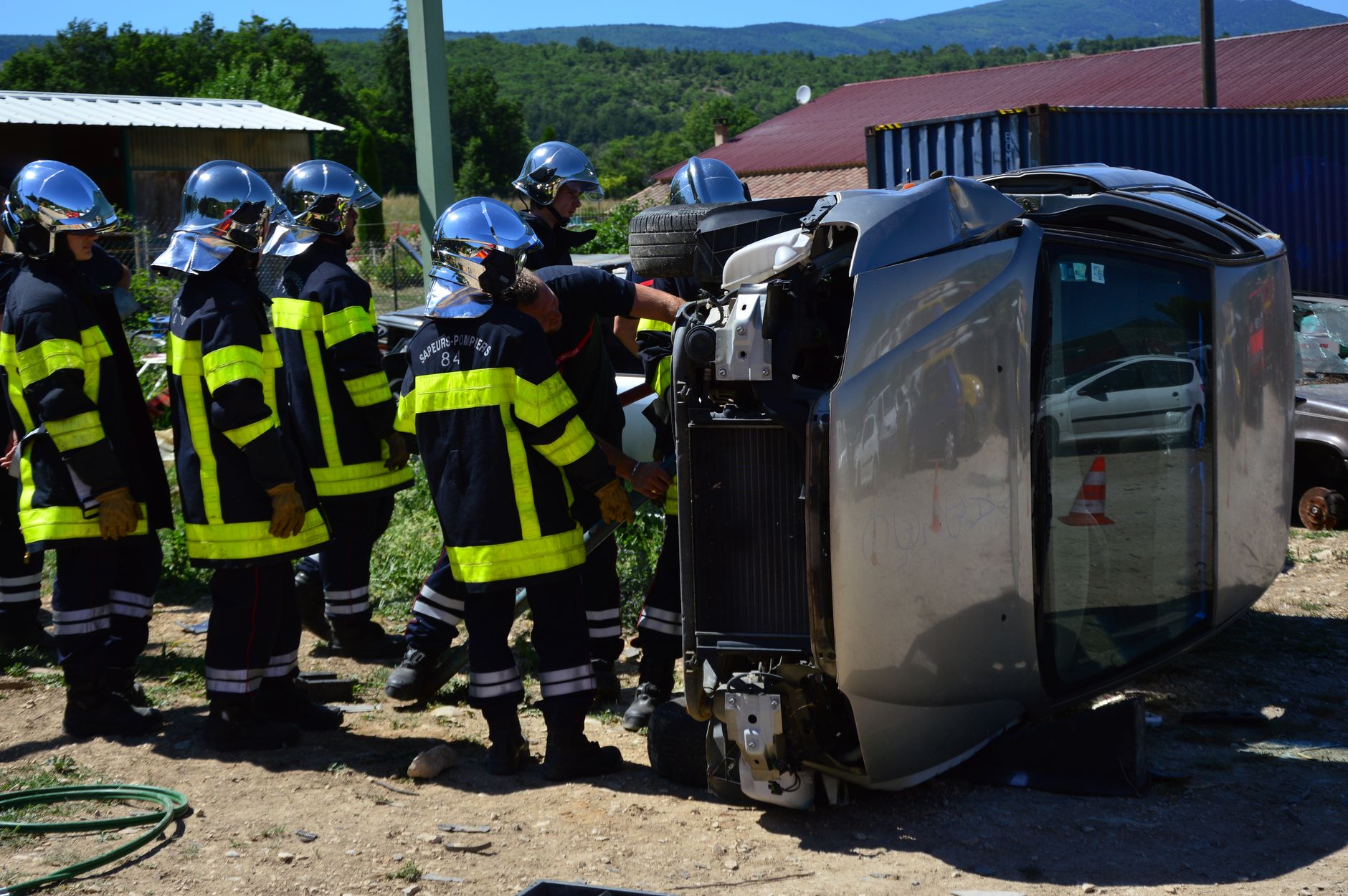
The incident sparked a lengthy trial, which ultimately led to the jury's verdict. This ruling has sent shockwaves through the automotive industry, signaling a shift in the way courts approach autonomous vehicle accidents.
A New Era of Accountability
"This verdict marks a new era of accountability for autonomous vehicle manufacturers," said Dr. Rachel Kim, a leading expert in autonomous vehicle safety. "It's no longer sufficient for manufacturers to simply tout the benefits of autonomous technology; they must also be prepared to take responsibility for any shortcomings."
The jury's decision implies that Tesla, as the manufacturer, bears significant responsibility for the safety of its Autopilot system. This ruling sets a precedent for holding companies responsible for the safety of their products, even when they are marketed as "autonomous."
Implications for the Autonomous Vehicle Industry
This verdict has far-reaching implications for the entire autonomous vehicle industry. It raises concerns about the safety and reliability of autonomous systems and the need for more stringent regulations and testing protocols.
According to the National Highway Traffic Safety Administration (NHTSA), autonomous vehicles have the potential to save thousands of lives on the road. However, this verdict highlights the importance of clear communication and transparency about the capabilities and limitations of autonomous systems.
A Wake-Up Call for Manufacturers
The verdict serves as a wake-up call for manufacturers to re-examine their autonomous systems and ensure that they are designed with safety as the top priority. It's essential for companies to prioritize safety and transparency, rather than simply focusing on the benefits of autonomous technology.

A Call to Action for Regulatory Bodies
This verdict also highlights the need for regulatory bodies to take a more proactive role in overseeing the development and deployment of autonomous vehicles. It's essential to establish clear guidelines and standards for the safety and testing of autonomous systems to prevent similar accidents in the future.
According to the Insurance Institute for Highway Safety (IIHS), regulating autonomous vehicles is crucial to ensuring public safety. Regulatory bodies must take a more proactive role in establishing clear guidelines and standards for the industry.
Tesla's Response and the Road Ahead
Tesla has expressed disappointment with the verdict and plans to appeal the decision. However, the company must also take this opportunity to reflect on its Autopilot system and implement necessary improvements to ensure the safety of its customers.
Key Takeaways
- The $329 million verdict against Tesla marks a new era of accountability for autonomous vehicle manufacturers.
- The ruling highlights the importance of safety and transparency in the development and deployment of autonomous vehicles.
- Regulatory bodies must take a more proactive role in establishing clear guidelines and standards for the industry.
Conclusion
The $329 million verdict against Tesla is a significant milestone in the ongoing debate about autonomous vehicles. It underscores the need for manufacturers to prioritize safety and transparency, and for regulatory bodies to establish clear guidelines and standards. As the autonomous vehicle industry continues to evolve, it is crucial that we learn from this verdict and work towards a safer, more accountable future.

(Read more: Our Guide to Autonomous Vehicle Safety)

Comments
Post a Comment