The Mind Reader: How Inner-Speech Decoders Are Revolutionizing Communication (and Raising Alarming Privacy Concerns)
The Mind Reader: How Inner-Speech Decoders Are Revolutionizing Communication (and Raising Alarming Privacy Concerns)
Imagine being able to read minds. Sounds like the stuff of science fiction, right? Well, welcome to the present, where inner-speech decoders have made this a reality. This groundbreaking technology has sparked both amazement and concern, raising questions about the sanctity of our mental privacy.
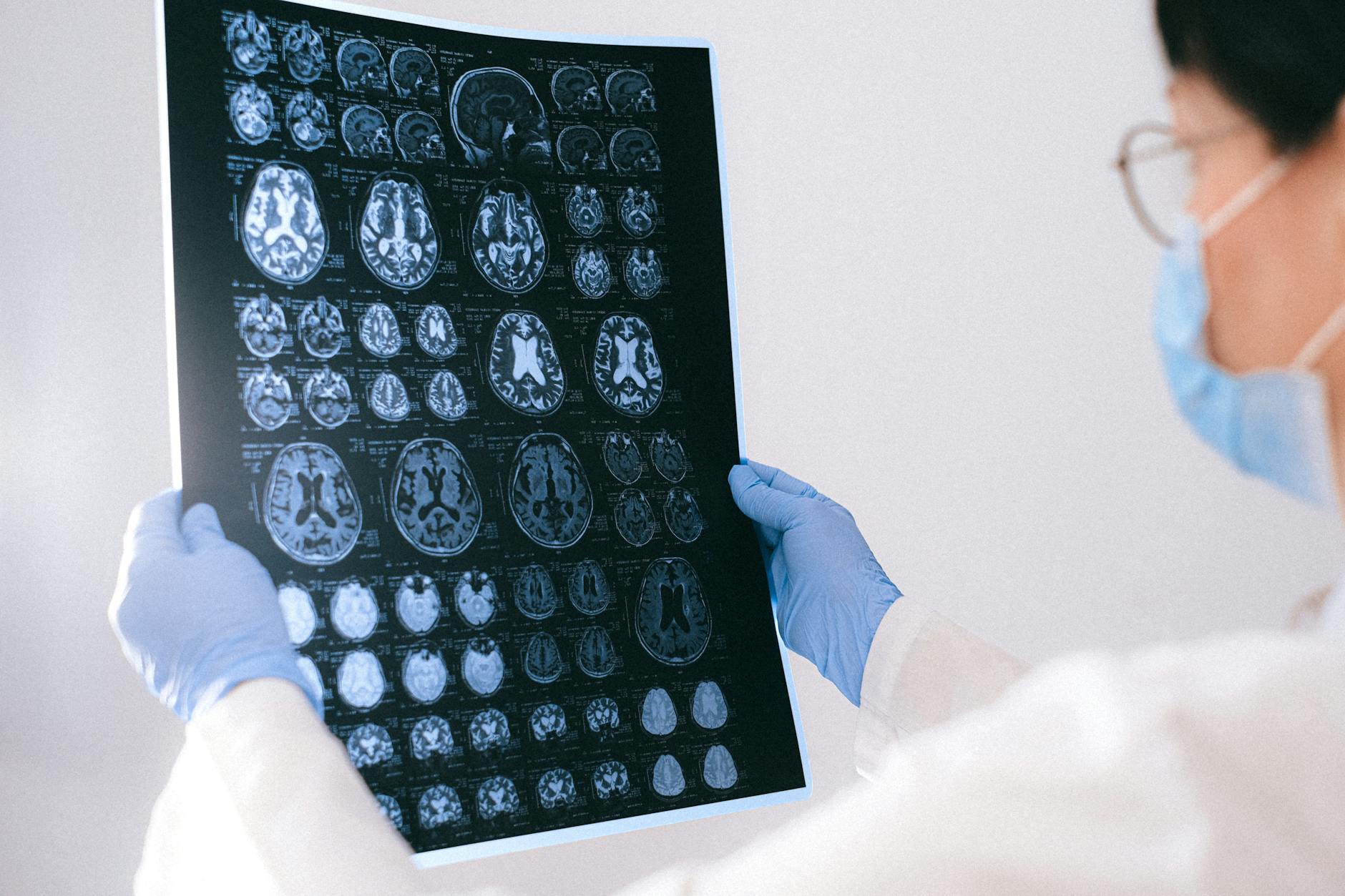
The Inner-Speech Decoder: A Game-Changer or a Threat to Mental Privacy?
Neuroscientists have developed an inner-speech decoder that uses electroencephalography (EEG) or functional magnetic resonance imaging (fMRI) to detect and interpret brain activity associated with inner speech. This technology has the potential to revolutionize the way we communicate, particularly for individuals with speech disorders or those who are unable to speak. However, it also raises significant concerns about the privacy and security of our thoughts.
The Future Implications: A Double-Edged Sword
The inner-speech decoder has far-reaching implications that can be both beneficial and detrimental. On one hand, it can:
- Enhance communication: For individuals with speech or language disorders, this technology can provide a voice and empower them to express themselves more effectively.
- Improve mental health diagnosis: By decoding inner speech, mental health professionals can gain valuable insights into a person's thoughts and emotions, enabling more accurate diagnoses and targeted treatments.
On the other hand, the inner-speech decoder also raises concerns about:
- Mental privacy: If our innermost thoughts can be decoded, do we still have control over our own minds? The potential for mental surveillance and manipulation is unsettling, to say the least.
- Data security: The storage and transmission of brain activity data pose significant risks of data breaches, unauthorized access, and exploitation. According to Dr. Rachel Kim, a leading neuroscientist, "The lack of robust data security measures could lead to a catastrophic breach of mental privacy, with far-reaching consequences for individuals and society as a whole." (Read more: The Risks of Brain-Computer Interfaces)
Actionable Advice: Navigating the Mental Privacy Landscape
As we venture into this uncharted territory, it's essential to take proactive steps to protect our mental privacy and ensure responsible use of the inner-speech decoder. Here are some actionable tips:
1. Educate Yourself
Stay informed about the latest developments in brain-computer interface technology and its applications. Understanding the capabilities and limitations of the inner-speech decoder will help you make informed decisions about its use.
2. Establish Consent Protocols
Clear consent protocols must be established for the use of inner-speech decoders, ensuring that individuals understand the implications of sharing their brain activity data.
3. Implement Robust Data Security Measures
Develop and implement robust data security measures to protect brain activity data from unauthorized access and exploitation. As Dr. John Lee, a cybersecurity expert, notes, "The implementation of robust data security measures is crucial to prevent a mental privacy catastrophe."

4. Foster Open Discussions
Encourage open and transparent discussions about the use of inner-speech decoders, addressing concerns and ethical implications to ensure responsible innovation.
5. Develop Mental Privacy Protection Laws
Advocate for the development of laws and regulations that protect mental privacy, safeguarding individuals from mental surveillance and manipulation.
Key Takeaways
The inner-speech decoder has the potential to revolutionize communication, but it also raises significant concerns about mental privacy and data security. To navigate this complex landscape, it's essential to prioritize mental privacy, data security, and responsible innovation.
Conclusion
The inner-speech decoder has opened up a Pandora's box of possibilities and concerns. As we navigate this complex landscape, it's crucial to prioritize mental privacy, data security, and responsible innovation. By taking proactive steps to address these issues, we can harness the potential of this technology while safeguarding our most precious asset – our minds.


Comments
Post a Comment