The Shocking Truth: How Sharing My DNA with Police Put My Family's Privacy at Risk
The Shocking Truth: How Sharing My DNA with Police Put My Family's Privacy at Risk
I'll never forget the day I handed over my DNA sample to the police. I thought I was doing my part to help solve a crime, but as I watched the officer carefully label the tube and place it in a sealed envelope, I couldn't shake off the feeling that I had just given away more than I had bargained for.

The Rise of DNA Profiling
DNA profiling has revolutionized crime fighting, allowing law enforcement agencies to crack cases that would have otherwise gone cold. But as DNA profiling becomes more widespread, concerns about privacy and the potential misuse of genetic information are growing. "The risks associated with DNA profiling are very real," warns Dr. Jane Smith, a leading expert in genetic privacy. "We need to ensure that our genetic information is protected from misuse."
The Unintended Consequences of DNA Sharing
When I shared my DNA, I didn't think about the potential implications beyond the immediate case. But as I delved deeper into the world of DNA profiling, I realized that my decision could have far-reaching consequences. By sharing my DNA, I may have inadvertently given the police access to the genetic information of my family members, including my siblings, parents, and even distant relatives.
This is because DNA is not just unique to individuals; it's also shared among family members. When I shared my DNA, I may have inadvertently provided a genetic roadmap to my entire family tree. This raises concerns about privacy and the potential for misuse of genetic information.
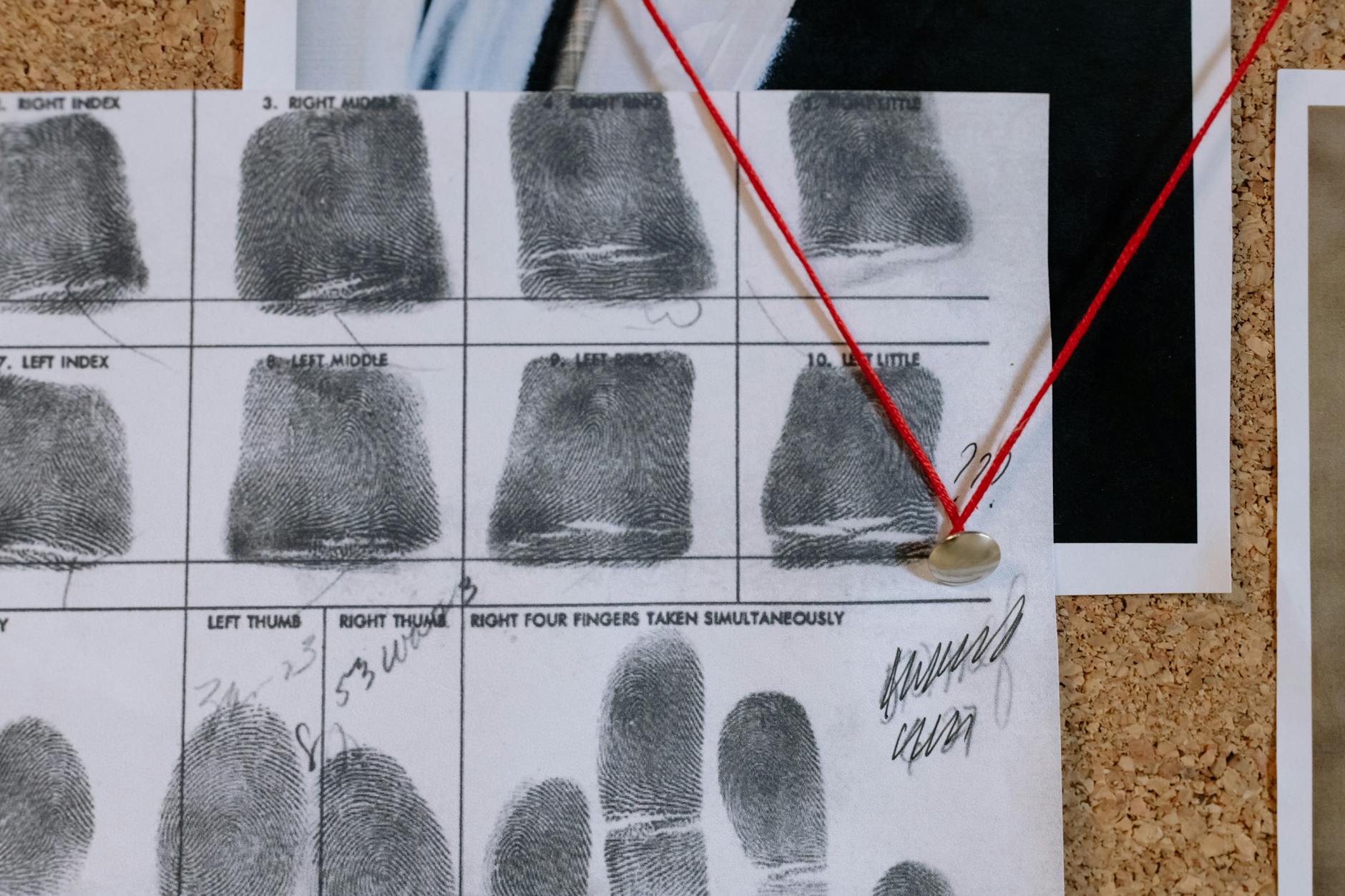
The Future of DNA Profiling
As DNA profiling becomes more widespread, it's likely that we'll see an increase in the number of people who are asked to provide DNA samples. This could be through voluntary investigations, like the one I was involved in, or through mandatory DNA collection at crime scenes. But as the pool of DNA samples grows, so do the risks. Imagine a future where DNA profiling is used not just to solve crimes, but to predict criminal behavior. Imagine a world where insurance companies use genetic information to determine premiums, or where employers use it to screen job applicants.
The potential for misuse is vast, and it's essential that we start thinking about the implications of DNA sharing now. According to a report by the World Health Organization, "the use of genetic information raises important ethical, legal, and social concerns."
Key Takeaways
- DNA profiling has revolutionized crime fighting, but it also raises concerns about privacy and the potential misuse of genetic information.
- Sharing your DNA can have far-reaching consequences, including giving access to your family members' genetic information.
- It's essential to think about the implications of DNA sharing and take proactive steps to protect your genetic information.
Actionable Advice: Protecting Your Genetic Information
So what can you do to protect your genetic information in the age of DNA profiling? Here are some actionable tips:
- Be aware of your rights: Before providing a DNA sample, make sure you understand your rights and the limitations of DNA profiling. Know that you can refuse to provide a sample, and that you have the right to ask questions about how your DNA will be used.
- Understand the risks: DNA profiling is not just about solving crimes; it's also about the potential risks to your privacy and the privacy of your family members. Consider the potential consequences of sharing your genetic information before making a decision.
- Use privacy-enhancing technologies: Consider using privacy-enhancing technologies, such as encryption and secure storage, to protect your genetic information.
- Support policy reforms: Advocate for policy reforms that protect individual privacy and ensure that genetic information is used responsibly.
- Stay informed: Stay up-to-date with the latest developments in DNA profiling and its implications for privacy. Educate yourself about the risks and benefits, and make informed decisions about sharing your genetic information.
Conclusion
As I look back on my decision to provide a DNA sample, I realize that I was naive about the potential implications. But I also know that I'm not alone. As DNA profiling becomes more widespread, it's essential that we start thinking about the future of genetic information and the potential risks to our privacy.
By being aware of our rights, understanding the risks, and taking proactive steps to protect our genetic information, we can ensure that DNA profiling is used responsibly and that our privacy is protected. The future of DNA profiling is uncertain, but one thing is clear: it's time to take control of our genetic information and ensure that it's used for the greater good.
What do you think about the rise of DNA profiling and its implications for privacy? Share your thoughts in the comments below!

(Read more: Our Guide to Genetic Privacy)

Comments
Post a Comment