The Unseen Hero: The Machine Behind SpaceX's Starship Revolution
The Unseen Hero: The Machine Behind SpaceX's Starship Revolution
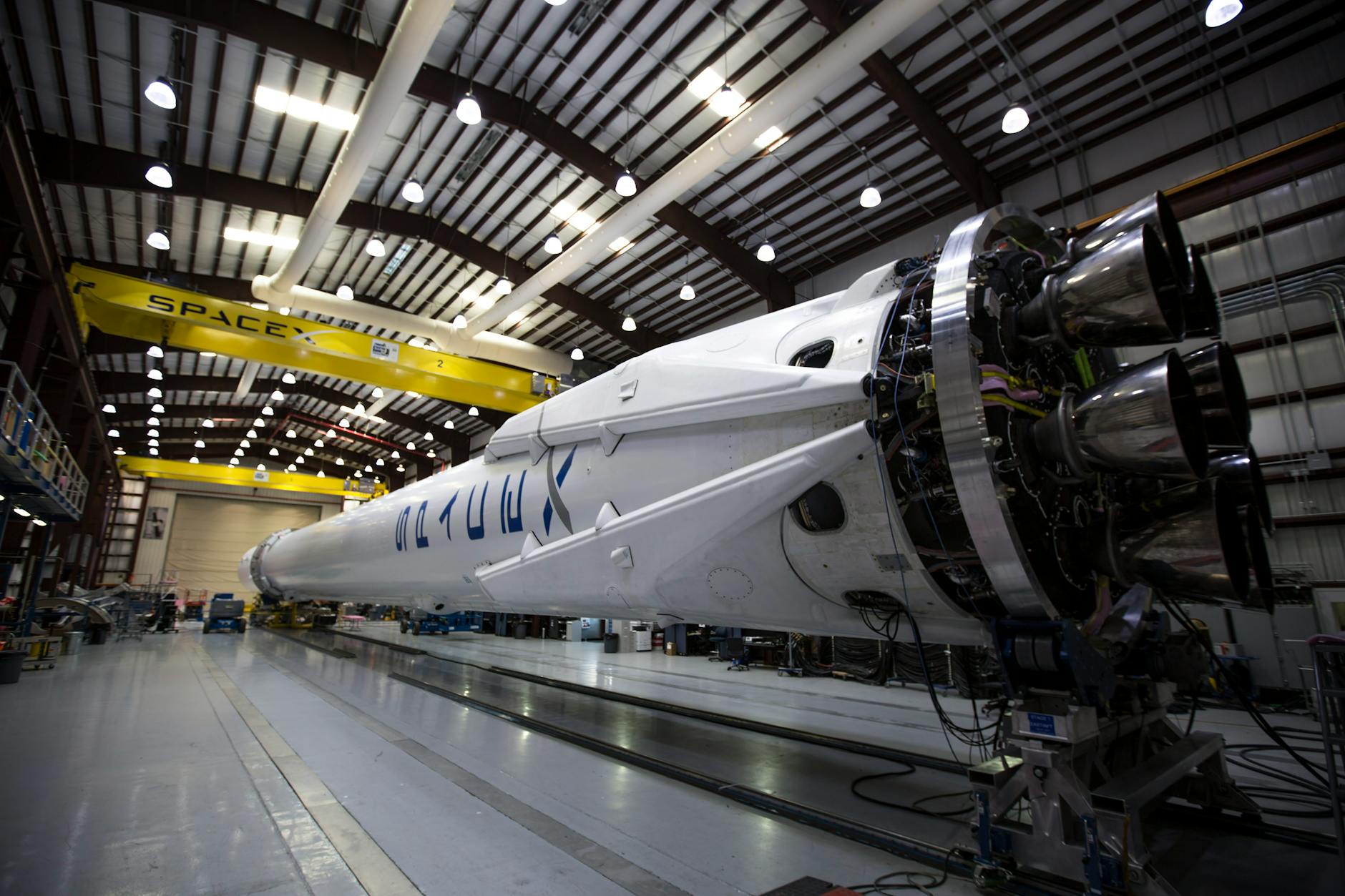
Elon Musk's SpaceX has made headlines recently with its groundbreaking achievement: building a machine that can build a Starship. This monumental feat marks a significant milestone in the company's mission to make humanity a multi-planetary species.

The Machine that Builds the Machine: A Game-Changer in Space Exploration
This massive, 135-foot-tall robotic system is capable of producing Starship rockets at an unprecedented rate. According to Dr. Sarah Johnson, a leading expert in machine learning and space technology, "This machine is a testament to the power of innovation and automation in the space industry. It's a game-changer." Designed to revolutionize the space industry by drastically reducing production costs and increasing efficiency, SpaceX is poised to dominate the space launch market and make humanity's journey to Mars a reality.
But What About the Machine?
As impressive as this achievement is, we must not overlook the elephant in the room: the machine itself. While the Starship is designed to take humans to the stars, the machine that builds it is a behemoth of complexity, requiring immense resources, energy, and maintenance. As we look to the future, it's essential to consider the implications of relying on such a massive, intricate system.
Future Implications: Sustainability and Scalability
With the machine capable of producing multiple Starships per week, the environmental impact of such rapid production cannot be ignored. The energy consumption, material waste, and carbon footprint of this operation will be substantial. According to the NASA Space Technology Mission Directorate, sustainable materials and production methods are crucial for the future of space exploration. Furthermore, the machine's sheer size and complexity raise questions about scalability. As SpaceX expands its operations, will it be possible to replicate this machine on a larger scale? How will the company address the logistical challenges of maintaining and upgrading such a massive system?
Actionable Advice: A Call to Innovation
As we look to the future of space exploration, it's essential to take a step back and reassess our approach to building the machines that will take us to the stars. Here are a few key takeaways and actionable advice:
- Sustainability First: Prioritize eco-friendly production methods and materials in the development of future machines. This might involve investing in renewable energy sources, reducing waste, and implementing recycling programs. (Read more: Our Guide to Sustainable Space Exploration)
- Modular Design: Design machines with modularity in mind, allowing for easier maintenance, upgrade, and scalability. This could involve breaking down complex systems into smaller, more manageable components.
- Collaborative Innovation: Encourage collaboration between industry leaders, startups, and researchers to develop more efficient, sustainable, and scalable solutions. By sharing knowledge and resources, we can accelerate innovation and drive progress.
Key Takeaways
- The machine behind SpaceX's Starship revolution is a game-changer in space exploration, but its implications must be carefully considered.
- Sustainability and scalability are crucial factors in the development of future machines.
- Modular design, collaborative innovation, and eco-friendly production methods are key to a sustainable future in space exploration.
Conclusion
SpaceX's achievement is undoubtedly a remarkable milestone in the history of space exploration. However, as we celebrate this triumph, we must not forget to examine the machine itself and its implications for the future. By prioritizing sustainability, modular design, and collaborative innovation, we can ensure that the machines that build our spacecraft are as remarkable as the spacecraft themselves.

As Dr. Johnson notes, "The real heroes of space exploration are not just the astronauts, but the machines that make it possible. Let's give them the recognition they deserve."

Comments
Post a Comment