Unlock the Truth: Revolutionary Light Code Technology Exposes Video Fakes
Unlock the Truth: Revolutionary Light Code Technology Exposes Video Fakes
Imagine a world where you can't trust your eyes. A world where video fakes and deepfakes have become so sophisticated that it's impossible to distinguish fact from fiction. Welcome to our reality. But fear not, because a team of scientists has taken a groundbreaking step to combat the spread of misinformation. By hiding secret codes in light, researchers have developed a novel approach to verify the authenticity of videos. In this article, we'll delve into the future implications of this innovation and provide actionable advice on how to stay ahead of the curve.
The Rise of Video Fakes: A Growing Concern

Hiding Secret Codes in Light: The Solution
Scientists from the University of California, Los Angeles (UCLA), have developed a pioneering technique to embed imperceptible codes into light, allowing for the authentication of videos. This innovative approach, known as "light-based authentication," involves inserting a unique identifier into the light reflected off an object or person in a video. This code can then be detected and verified, providing an added layer of security against video tampering.
Future Implications: A New Era of Transparency
The potential applications of light-based authentication are far-reaching, with significant implications for various industries:
- Journalism and Media**: Verifying the authenticity of news footage and interviews can help combat the spread of misinformation and maintain journalistic integrity.
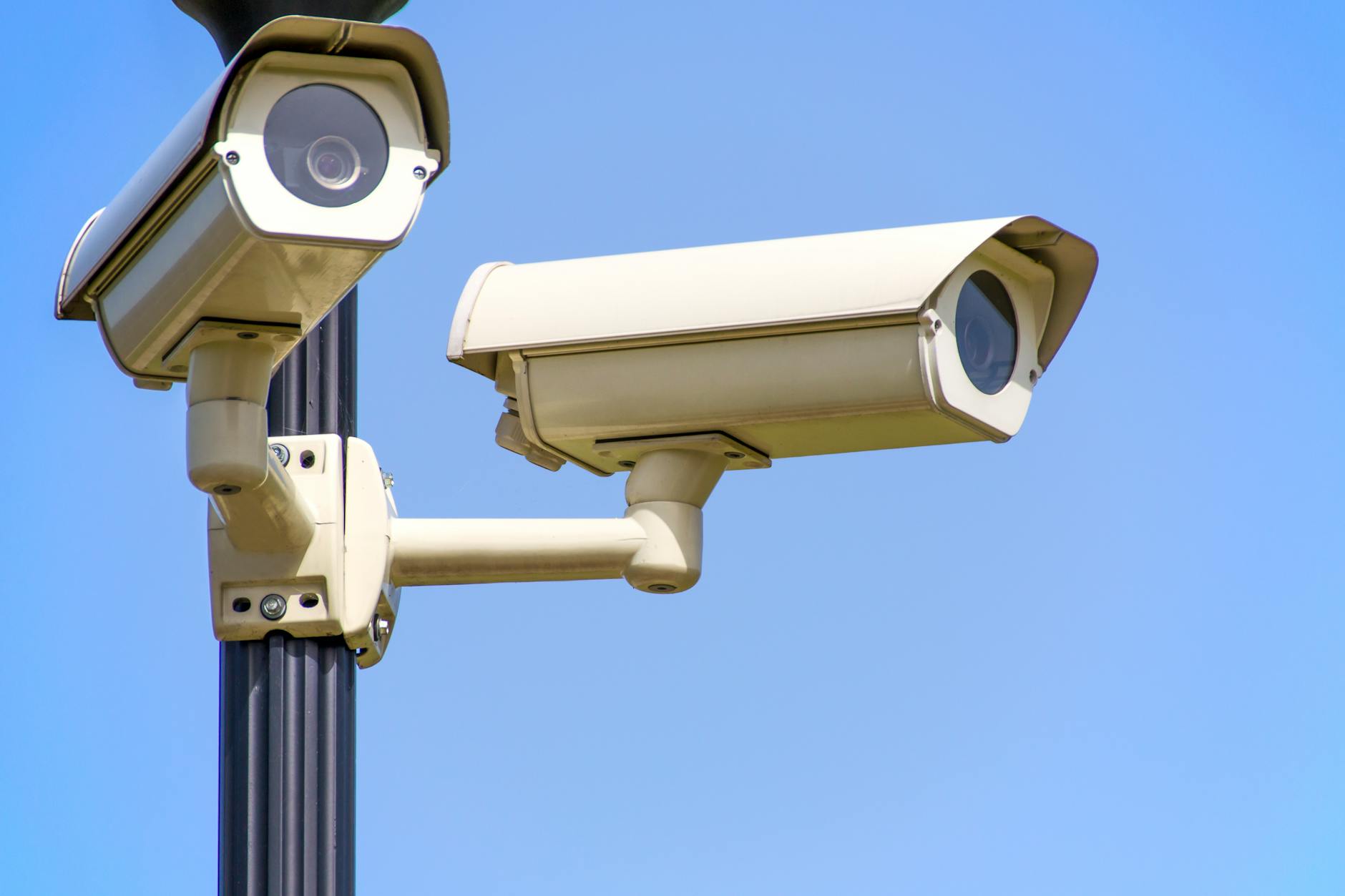
- Surveillance and Security**: Implementing light-based authentication in CCTV footage can prevent the tampering of evidence and enhance forensic analysis.
- E-commerce and Advertising**: Authenticating product demos and reviews can increase consumer trust and reduce the risk of false advertising claims.
- Healthcare and Education**: Verifying the authenticity of medical and educational videos can ensure the accuracy of critical information and maintain trust in these fields.
Actionable Advice: Staying Ahead of the Curve
As light-based authentication becomes more widespread, it's essential to stay informed and adapt to this new technology. Here are some actionable tips:
- Stay Up-to-Date with Industry Developments**: Follow reputable sources and researchers in the field to stay informed about the latest advancements and breakthroughs. (Read more: Our Guide to Staying Safe Online)
- Implement Authentication Protocols**: Consider integrating light-based authentication into your own video content, especially if you're in a high-stakes industry such as journalism or surveillance.
- Verify Before Sharing**: Before sharing videos, take the time to verify their authenticity using available tools and technologies.
- Foster a Culture of Transparency**: Encourage open communication and transparency within your organization, promoting a culture that values authenticity and accuracy.
Key Takeaways
- Light-based authentication is a novel approach to verify the authenticity of videos.
- The technology has significant implications for industries such as journalism, surveillance, e-commerce, and healthcare.
- To stay ahead of the curve, it's essential to stay informed, implement authentication protocols, and verify video authenticity.
Conclusion: Unlocking a Future of Authenticity
The innovative approach of hiding secret codes in light to combat video fakes marks a significant step forward in the fight against misinformation. As this technology continues to evolve, it's essential to stay informed, adapt, and promote a culture of transparency. By doing so, we can unlock a future where authenticity and trust are the cornerstones of our digital landscape.

What do you think about this groundbreaking innovation? Share your thoughts in the comments below!
Learn more about the rise of deepfakes and video manipulation. Read more about the UCLA research on light-based authentication.
Comments
Post a Comment